

With hundreds of shampoos on the shelves at Guardian, Watsons, and Sephora Singapore, choosing the right one for your specific hair type has become genuinely confusing. This guide cuts through the marketing noise and explains exactly what to look for — whether your hair is coloured, dry, oily, or some combination of all three in Singapore's humidity.
Best Shampoo Singapore: the best shampoo for your hair depends on your hair type, colour treatment history, and scalp condition — sulphate-free formulas are generally recommended for colour-treated hair in Singapore's humid climate.
- This guide covers everything you need to know about best shampoo singapore in Singapore
- Singapore's climate makes this topic especially relevant for local hair and skin care
- Products like the Rehues Colour Lock Shampoo are formulated specifically for these conditions
📣 As Seen on Reddit
"You can always buy some toning shampoo to maintain your color. Recommend Rehues."
— r/askSingapore community member, in response to a thread on bleached hair care in Singapore's climate. View thread →
Quick Answer
- For colour-treated hair: use a sulphate-free, colour-protective shampoo — Rehues colour-lock shampoo is formulated for Singapore's humidity
- For oily scalp: look for salicylic acid or zinc pyrithione; avoid heavy silicone-loaded formulas
- For dry hair: prioritise ceramides, amino acids, and low-pH formulas that keep moisture sealed in
- Singapore's humidity means your scalp produces more sebum than in temperate climates — most people need to shampoo more frequently here
- Price does not reliably predict performance — ingredient list and pH level matter far more than the brand name
The shampoo you use every two to three days has a compounding effect on your hair health that most people dramatically underestimate. A poorly matched formula can strip colour, destroy your scalp's acid mantle, and set off a cycle of dryness and compensatory oiliness that's difficult to break. Getting this choice right — once — pays dividends for months.
Why Singapore's Climate Changes Everything About Shampoo Choice
Singapore sits at roughly 1° north of the equator. Average temperatures hover between 26–32°C year-round, with humidity regularly exceeding 80%. This climate has specific implications for scalp physiology that simply don't apply to shampoo advice written for Western markets.
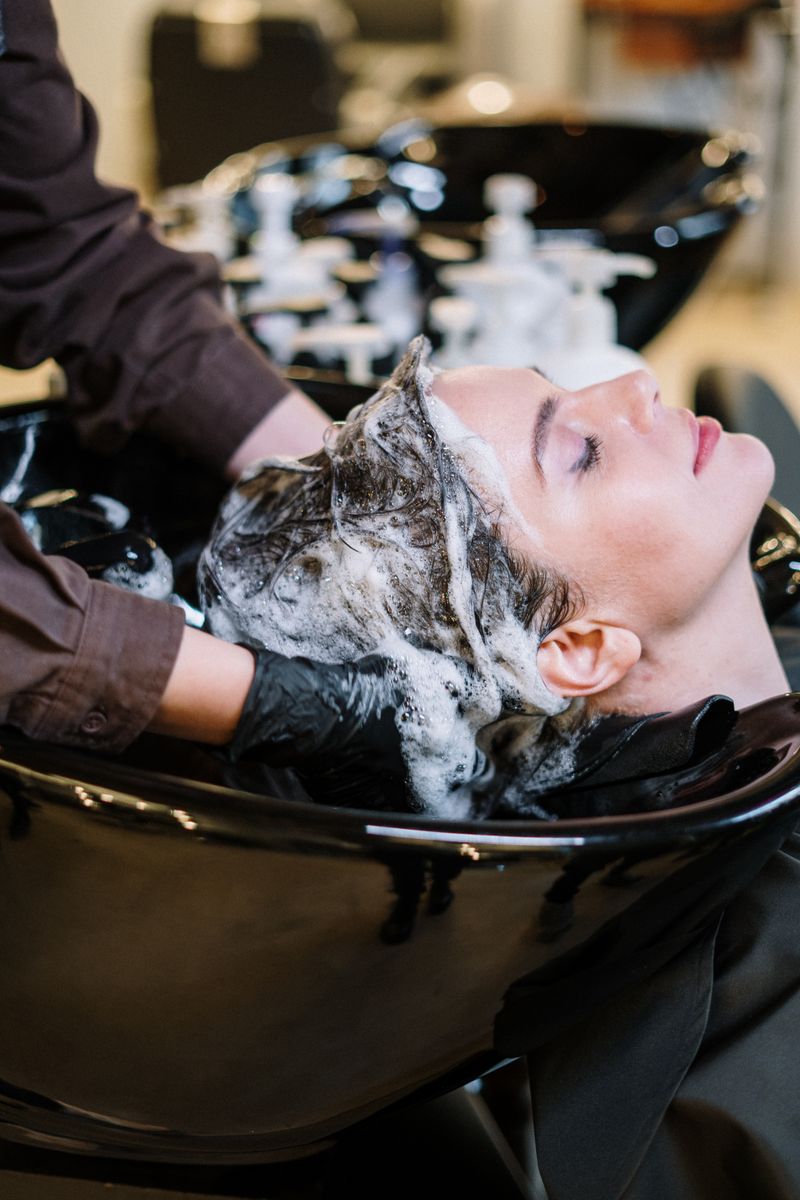
In high heat and humidity, the scalp's sebaceous glands are more active. This means the scalp produces more sebum faster — which translates to hair that feels oilier sooner after washing. For Singapore women, shampooing every day or every other day is often genuinely necessary rather than a sign of over-washing. This makes the gentleness of your shampoo formula critically important: if you're washing daily with a harsh, sulphate-heavy formula, you're repeatedly stripping your scalp's protective barrier.
Conversely, Singapore's humidity creates an environment where the hair shaft actually absorbs some ambient moisture — which can be a blessing or a curse depending on your hair's porosity. High-porosity hair (common after bleaching or colouring) absorbs moisture rapidly but loses it just as fast, leading to frizz and swelling of the cuticle. A shampoo with a slightly acidic pH (4.5–5.5) helps seal the cuticle after washing and reduces this effect.
Choosing a Shampoo for Colour-Treated Hair in Singapore
What ingredients should you avoid if you colour your hair?
Sulphates — specifically sodium lauryl sulphate (SLS) and sodium laureth sulphate (SLES) — are the biggest culprits in premature colour fade. These anionic surfactants are highly effective at removing dirt and sebum, but they do so without discrimination: they also strip the colour molecules from the hair cortex that you've paid good money to put there. In Singapore's humidity, where you may be washing your hair more frequently, the cumulative colour-stripping effect of sulphate-heavy shampoos is significant.
The alternative is to use a gentle, sulphate-free surfactant system — typically based on cocamidopropyl betaine, decyl glucoside, or sodium cocoyl isethionate. These amphiphilic surfactants clean effectively at lower concentrations without the aggressive stripping action of sulphates. They're gentler on the scalp barrier and dramatically reduce colour fade between salon visits.
Rehues colour-lock shampoo is built around a sulphate-free surfactant base, specifically developed for the Singapore climate. It cleans thoroughly enough for Singapore's sweaty, humid days without compromising the colour deposit or the scalp's pH balance. For women who colour their hair every six to eight weeks, switching to a formula like Rehues can extend the vibrancy of their colour by two to three weeks — which matters both financially and aesthetically. Shop the Rehues colour-lock range to see what's available.
Does it matter whether your shampoo has protein or moisture?
This is one of the most practically important distinctions in shampoo selection, and it's routinely ignored. Hair that's been chemically processed — bleached, coloured, relaxed, or permed — typically needs both protein repair and moisture replenishment, but the balance matters. Too much protein without adequate moisture leads to hair that feels brittle and stiff (protein overload). Too much moisture without structural protein leaves the hair limp and weak.
For moderately processed hair that's been coloured once or twice, a balanced shampoo with amino acids and light conditioning agents is usually appropriate. For heavily bleached or double-processed hair, a shampoo with higher protein concentration paired with a separate deep conditioning mask produces better results than trying to find a single product that does everything.
Best Shampoo Types for Each Hair Concern in Singapore
For women with an oily scalp and dry ends — an extremely common combination in Singapore, often caused by over-stripping the scalp — the ideal approach is scalp-targeted cleansing with mid-length and end protection. Look for shampoos that address scalp sebum without dragging the formula through the lengths. Some women in Singapore apply shampoo only to the scalp and allow rinse water to carry it through the lengths — an approach that works well if your ends are particularly fragile.
For women with fine, limp hair that lacks volume: avoid shampoos loaded with heavy silicones (dimethicone, cyclopentasiloxane) in their top ingredients. These coat the hair shaft and add gloss but weigh down fine strands. Instead, look for clarifying agents, lightweight amino acids, and volumising polymers. Be cautious here if you also colour your hair — some clarifying shampoos are sulphate-heavy and will strip colour aggressively.
For women with dry, coarse hair — common among those with tighter curl patterns or those who use significant heat styling — look for higher concentrations of humectants like glycerin and panthenol, emollients like shea butter or argan oil, and ceramides to seal the cuticle. In Singapore's humidity, glycerin is particularly effective as a humectant because it draws moisture from the humid air into the hair shaft.
For women with dandruff or seborrhoeic dermatitis: active ingredients matter more than aesthetics. Zinc pyrithione, selenium sulphide, ketoconazole, or salicylic acid all have clinical evidence behind them for dandruff control. Use a medicated shampoo two to three times per week, alternating with a gentler formula on other wash days. If you also colour your hair, check that your medicated option is sulphate-free or use it on scalp-only application.
Reading a Shampoo Label: What Actually Matters
Ingredients are listed in descending order of concentration. The first five to seven ingredients make up the bulk of any formula. If water is first (which it always is), the second and third ingredients — usually the primary surfactants — tell you the most about how the product will perform on your scalp. Sodium lauryl sulphate appearing in position two means this is a strong cleansing formula. Sodium cocoyl isethionate or cocamidopropyl betaine in position two signals a gentler option.
Marketing claims on the front of the bottle — "strengthening," "nourishing," "repair" — are largely unregulated and can be applied to almost any formula regardless of actual ingredient quality. Flip the bottle. Read the back. The ingredients list is where the truth lives.
pH is typically not listed on shampoo packaging, but it matters more than most of the claims that are listed. A shampoo with a pH above 6 will swell and open the hair cuticle during washing — fine for clarifying, damaging if done repeatedly. Sulphate-free formulas tend to have a more cuticle-friendly pH by design. Rehues products are formulated with colour-safe pH levels that clean without forcing unnecessary cuticle lift. Explore the full Rehues shampoo range designed for Singapore hair types.
Rehues Singapore
Hair Care Made for Singapore
Formulated for colour-treated hair in Singapore's heat and humidity. Shop Rehues today.
Shop Rehues →Conclusion: Find Your Formula and Commit to It
The best shampoo in Singapore is the one that's matched to your specific hair type, chemical history, and scalp condition — not the one with the most appealing packaging or the highest price point. For colour-treated hair, the non-negotiable is sulphate-free. For oily scalps in Singapore's humidity, frequency and gentleness matter more than potency. For dry or damaged hair, look past the marketing claims to the actual ingredients. Rehues builds its range around the specific hair challenges Singapore women face — humidity, chemical processing, and the need for colour longevity. Start with the right shampoo, and every other product in your routine works better. Visit rehues.com to find your match.
Frequently Asked Questions
Is sulphate-free shampoo actually better for coloured hair in Singapore?
Yes, particularly in Singapore where frequent washing is often necessary due to heat and humidity. Sulphate-free formulas cleanse effectively without stripping colour molecules, extending colour vibrancy between salon visits by two to three weeks in most cases.
How often should I shampoo my hair in Singapore's humidity?
Most Singapore women do best washing every one to two days given the climate's impact on scalp sebum production. If you're using a gentle, sulphate-free formula, daily washing is acceptable without significantly compromising scalp health or colour longevity.
What is the best shampoo for coloured hair in Singapore?
Look for a sulphate-free formula with colour-protective ingredients like amino acids and antioxidants at a scalp-friendly pH. Rehues colour-lock shampoo is specifically formulated for colour-treated hair in Singapore's climate and is available at rehues.com.
Can I use a dandruff shampoo if I colour my hair?
Some medicated dandruff shampoos are sulphate-heavy and will accelerate colour fade. Look for sulphate-free medicated options, or alternate between a medicated formula (applied scalp-only) and your colour-safe shampoo. Consult a dermatologist if your dandruff is severe.
Why does my scalp get oily so fast in Singapore?
Singapore's heat activates sebaceous glands more than temperate climates. Counterintuitively, using a harsh shampoo that strips the scalp triggers a compensatory sebum surge. Switching to a gentler formula often regulates sebum production over time.
What ingredients in shampoo help with frizz in Singapore's humidity?
Ceramides, panthenol, and glycerin help seal the cuticle and manage humidity-induced frizz. Silicones provide immediate gloss and frizz control but can build up over time. Low-pH formulas (4.5–5.5) are the most fundamental frizz-control tool as they keep the cuticle sealed.
Is expensive shampoo worth it in Singapore?
Price does not reliably indicate quality. A mid-range sulphate-free formula with well-formulated ingredients will outperform an expensive shampoo with a poor ingredient list. Focus on the ingredient deck rather than the price point or brand prestige.
Should I use the same shampoo as my conditioner brand?
Not necessarily. Mixing brands across the shampoo-conditioner system is fine and often advantageous — you can optimise each step independently. Choose your shampoo based on scalp needs and your conditioner based on hair shaft needs.