

Bond repair is one of the most talked-about concepts in hair care right now — but for many Singapore women, it remains poorly understood. Knowing what disulphide bonds actually are, how chemical processes break them, and whether your specific hair genuinely needs repair versus conditioning is the difference between a targeted intervention and money spent on marketing. Here's the clear, no-fluff explanation.
Bond Repair Hair Singapore: bond repair for colour-treated hair works by rebuilding the disulfide bonds broken during chemical colouring — the most effective at-home options combine bond-building actives with deep conditioning.
- This guide covers everything you need to know about bond repair hair singapore in Singapore
- Singapore's climate makes this topic especially relevant for local hair and skin care
- Products like the Rehues Colour Lock Shampoo are formulated specifically for these conditions
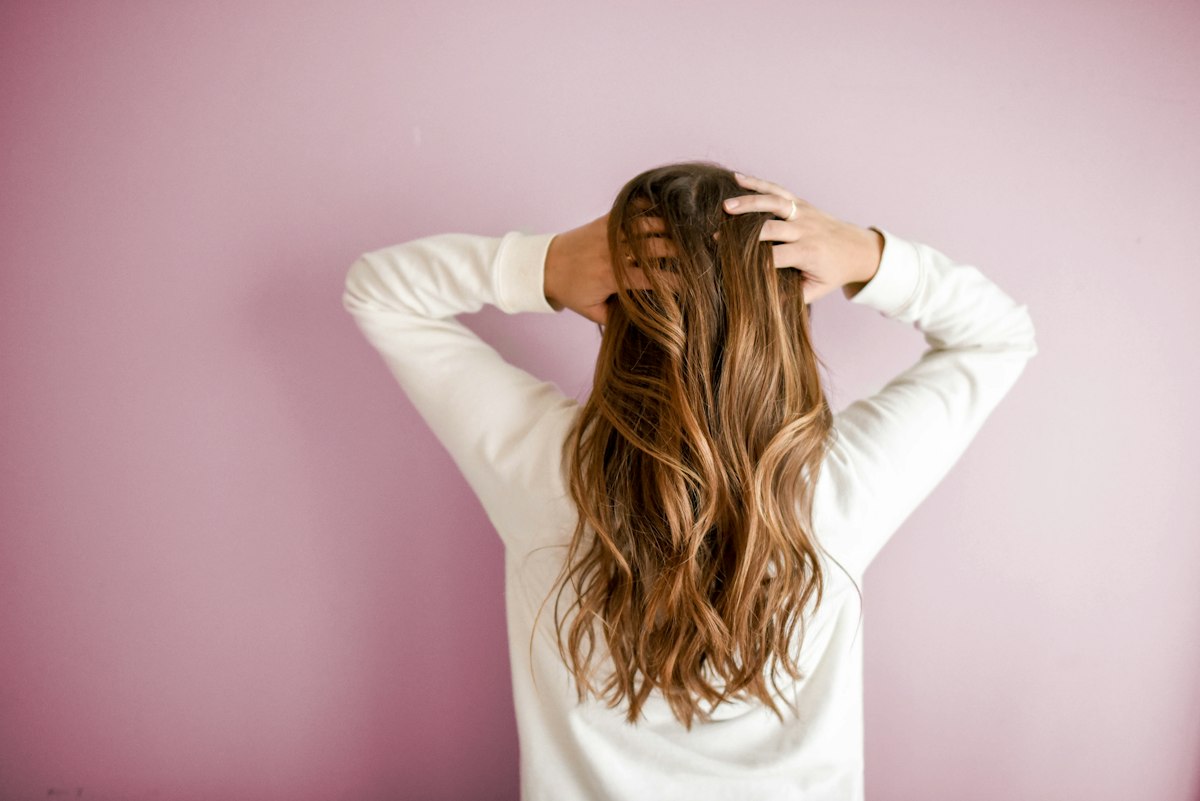
Quick Answer
- Hair bonds are chemical cross-links within the keratin protein structure — disulphide bonds are the most structurally significant
- Bleaching and permanent hair colour break disulphide bonds; relaxers and perms break and reform them in a new configuration
- Signs your hair needs bond repair: elasticity loss, gummy-when-wet texture, excessive breakage, and hair that snaps rather than stretches
- Bond repair products work by reattaching broken bond ends within the cortex — this is structural repair, not surface conditioning
- Rehues bond repair range is formulated for the specific bond damage patterns caused by Singapore salon services and at-home colour
If you've ever asked your hairdresser what bond repair actually does and received a vague answer about "strengthening" your hair, you're not alone. The bond repair category has been brilliantly marketed, but the underlying science is genuinely fascinating — and once you understand it, you'll know immediately whether your hair needs it and what to realistically expect.
What Are Hair Bonds and Why Do They Matter?
Hair is primarily composed of keratin, a fibrous structural protein. Within each strand, keratin proteins are wound together in helical structures called alpha-helices, which are further bundled and linked by several types of chemical bonds. The most structurally important of these are disulphide bonds — covalent bonds formed between sulphur atoms on adjacent cysteine amino acids within and between keratin chains.
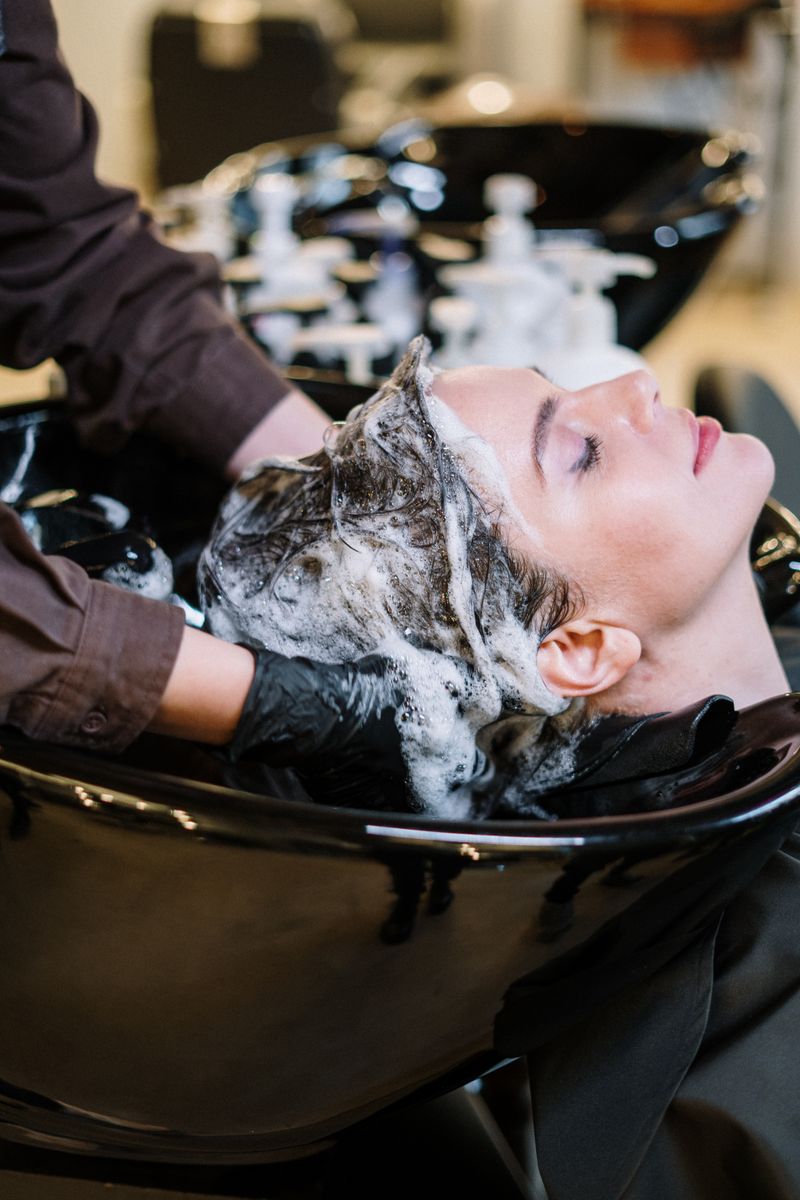
Disulphide bonds are what give hair its tensile strength, its elasticity, and its resistance to breakage. They also determine whether hair is straight or curly — the pattern of disulphide bonds across the hair shaft influences how the keratin structure sits, which is why chemically altering these bonds (as perms and relaxers do) can permanently change hair texture.
In addition to disulphide bonds, hair contains hydrogen bonds (weaker, broken by water and heat, reformed on drying) and salt bonds (disrupted by pH changes). Understanding that different chemicals affect different bond types helps explain why bleach damages hair differently from humidity, and why different treatments target different aspects of hair health.
How Bleach and Hair Colour Break Bonds in Colour-Treated Hair
Why does bleached hair in Singapore feel weaker and more prone to breakage?
Bleach works through an oxidative chemical reaction. Hydrogen peroxide (the developer) generates free radicals that break down melanin granules within the cortex — removing colour — but also oxidise the sulphur atoms involved in disulphide bonds. This oxidation disrupts the bond structure, reducing the number of intact disulphide bonds within the hair. The result is a hair shaft that is physically weaker, less elastic, and more porous than it was before bleaching.
Permanent hair colour works through a similar but less extreme mechanism. Oxidative colour (the kind that requires a developer/peroxide) opens the cuticle and partially disrupts the cortex to deposit colour molecules. Repeated application of oxidative colour without bond repair accumulates damage over time, even though a single session causes less acute disruption than bleach.
Relaxers and perms take a different approach: they deliberately and deliberately break disulphide bonds (using thioglycolic acid or ammonium thioglycolate) to allow the keratin structure to be reformed in a new configuration (straight or curly), after which a neutraliser is applied to reform the bonds in their new position. When this process goes wrong — incorrect timing, overlapping applications, or inadequate neutralisation — disulphide bonds are broken but don't correctly reform, leaving the hair structurally compromised in a way that regular conditioning cannot address.
How to Know If Your Hair Actually Needs Bond Repair
What does hair feel like when it needs bond repair versus just conditioning?
The most reliable self-test is the wet elasticity test. Take a strand of freshly washed, wet hair and gently stretch it between your fingers. Healthy hair with intact bonds stretches 30–40% of its length before returning to normal without breaking. Hair that has lost bond integrity either stretches very little (stiff, over-processed) or stretches far and feels gummy or mushy before snapping — the latter indicates significant bond and protein depletion.
Other signs of bond damage that warrant targeted bond repair rather than just conditioning: hair that tangles severely when wet despite conditioner use; ends that feel sticky or rough even after deep conditioning; hair that snaps at points along the shaft (not at the ends) when combed gently; and a noticeably reduced diameter of individual strands compared to your natural hair's original thickness.
By contrast, hair that is simply dry — dehydrated but structurally intact — feels rough and lacks shine but retains reasonable elasticity when wet. It responds well to deep conditioning and moisture treatments without requiring bond-level repair. Over-investing in bond repair products for hair that primarily needs moisture is wasteful and can contribute to protein overload if the bond repair product has a high protein content.
Professional Bond Repair vs At-Home Options in Singapore
Professional bond repair — specifically Olaplex No.1 and No.2 used during colour services, or salon-applied K18 treatments — delivers the highest concentration of active bond-repair ingredients in a controlled, stylus-supervised application. If you're getting significant bleach work done at a Singapore salon, asking for in-salon bond repair as an add-on is one of the most cost-effective investments you can make: the treatment reduces acute damage at the moment it's most severe and can meaningfully extend the life of your colour and your hair's health.
At-home bond repair has become significantly more accessible since the technology became more widely available. Rehues bond repair treatments are formulated for regular at-home maintenance — designed to be used in the three to four weeks between salon visits when cumulative micro-damage accumulates from washing, drying, styling, and environmental exposure in Singapore's climate. The key is consistency: bond repair used once produces modest results; bond repair used weekly as part of a systematic routine produces meaningful improvements in elasticity and tensile strength over six to eight weeks. Visit rehues.com to explore the bond repair range.
It's worth noting that genuinely effective bond repair requires a maleic acid-type active (or similar dicarboxylic acid system) that can penetrate the cortex and bridge broken bond ends. Many products marketed as "bond repair" rely primarily on protein coating the surface of the hair rather than intracortical repair — which provides improvement in appearance and surface smoothness but doesn't address the underlying structural damage. Check ingredient lists for maleic acid, succinic acid, or bis-aminopropyl diglycol dimaleate as indicators of genuine bond-repair chemistry versus surface-level protein treatment.
Rehues Singapore
Hair Care Made for Singapore
Formulated for colour-treated hair in Singapore's heat and humidity. Shop Rehues today.
Shop Rehues →Building Bond Repair Into a Singapore Hair Routine
For Singapore women who regularly colour or bleach their hair, a practical bond repair integration looks like this: in-salon bond repair add-on at each colour appointment; at-home bond repair treatment (such as Rehues bond repair mask) used weekly for the four weeks following a colour service; maintenance use every two weeks thereafter to preserve elasticity; and a sulphate-free, pH-balanced shampoo and conditioner routine to protect the repair work done. The Rehues routine builder can help identify the right combination for your specific hair condition.
Singapore's climate adds environmental oxidative stress to chemically processed hair — UV exposure, humidity-induced cuticle disruption, and daily air-conditioning exposure all contribute micro-damage that compounds over weeks. A consistent bond repair routine acts as a cumulative buffer against this environmental load, maintaining the structural integrity of colour-treated hair between the more significant damage events of each salon visit.
Conclusion: Bond Repair Is Structural, Not Cosmetic
Understanding bond repair as a structural intervention — not a fancy conditioning treatment — changes how you think about it. If your hair has undergone significant chemical processing in Singapore and shows signs of elasticity loss, gumminess when wet, or snap-off breakage, bond repair addresses the actual cause rather than masking the symptoms. Start with the wet elasticity test to confirm the need. Choose a product with genuine bond-repair chemistry. And integrate it consistently into your routine — not as an occasional treatment but as regular maintenance. Rehues bond repair is designed for exactly this approach: practical, effective, and calibrated for Singapore's specific hair challenges.
Frequently Asked Questions
What exactly are disulphide bonds in hair and why do they matter?
Disulphide bonds are covalent chemical cross-links between sulphur atoms on cysteine amino acids within the hair's keratin protein structure. They provide tensile strength, elasticity, and structural integrity. Bleaching and permanent colour break these bonds, which is why chemically processed hair is weaker and more prone to breakage.
How do I know if I need bond repair or just a deep conditioner?
Do the wet elasticity test: stretch a strand of wet hair gently. Healthy hair stretches slightly and returns. Bond-damaged hair either barely stretches and snaps, or feels gummy and mushy. If your hair passes this test but feels dry, you need moisture, not bond repair. If it fails, bond repair is appropriate.
Can bond repair reverse bleach damage in Singapore?
Bond repair can meaningfully restore tensile strength and elasticity in bleached hair, but it cannot undo colour change or fully restore the structural integrity of severely over-bleached hair. Consistent use over six to eight weeks produces the most significant improvement. Prevention — using in-salon bond repair during bleaching — is more effective than post-damage repair.
How often should I use bond repair products at home in Singapore?
Weekly use for four to six weeks following a bleach or colour service, then every two weeks for ongoing maintenance. In Singapore's climate, where environmental stressors compound chemical damage, consistency matters more than intensity.
Is bond repair the same as a protein treatment?
No, though they overlap. Protein treatments coat the hair shaft with protein to improve surface texture and provide some structural reinforcement. True bond repair specifically reattaches broken disulphide bond ends within the cortex — a more fundamental structural intervention. Products with maleic acid or bis-aminopropyl diglycol dimaleate are genuine bond-repair products; those without these actives are primarily protein treatments.
Can I use bond repair products every day in Singapore?
Not recommended for intensive bond-repair treatments with high active concentrations — these should be used weekly at most. Daily maintenance products (leave-in conditioners or lightweight serums with bond-care ingredients) can be used more frequently. Follow product-specific guidelines to avoid protein overload.
What Singapore hair services cause the most bond damage?
High-lift bleaching and double-processing (bleach + toner) cause the most acute bond damage. Korean/Japanese rebonding and perms also significantly disrupt bonds. Single-process permanent colour causes moderate bond disruption. Toners and glosses applied without developer cause minimal bond damage.
Do Rehues bond repair products work on Asian hair types?
Yes. Bond repair chemistry works at the molecular level regardless of hair type — the disulphide bond mechanism is universal. Rehues formulates with Singapore's predominantly East and Southeast Asian hair types in mind, addressing the specific damage patterns common from the salon services most popular in Singapore.