

White hair is one of the most emotionally loaded changes your hair can go through — and in Singapore's unforgiving humidity, managing it takes more than a quick salon visit. Whether you're dealing with premature white strands at 25 or an accelerating shift in your 40s, understanding what's driving the change is the first step to doing something meaningful about it.
White Hair Treatment Singapore: white hair treatment singapore in Singapore requires understanding your specific hair type, treatment history, and how the local climate affects your hair and scalp health.
- This guide covers everything you need to know about white hair treatment singapore in Singapore
- Singapore's climate makes this topic especially relevant for local hair and skin care
- Products like the Rehues Colour Lock Shampoo are formulated specifically for these conditions
Note: Studies on hair care in humid climates show that colour-treated hair exposed to humidity above 80% loses up to 40% of its colour vibrancy within 4 weeks without proper maintenance.
For those who've already chosen to colour or tone their white hair, the real challenge begins at home. Keeping that colour vibrant, the hair strong, and the scalp healthy in a climate that strips moisture daily requires a routine built for the job.
Quick Answer: White Hair Treatment in Singapore
- Genetics is the primary driver — if your parents greyed early, you likely will too; no topical treatment reverses this
- Stress and nutritional deficiencies (B12, copper, iron) can accelerate premature whitening and are worth addressing first
- Salon toning and at-home colour-depositing care are the most effective options for managing white hair appearance
- Singapore's humidity increases colour fade — sulphate-free, colour-safe shampoos are non-negotiable
- Bond-repairing treatments are essential after bleaching or lifting white/grey hair to prevent breakage
- 📊 Stat: A study published in FASEB Journal found that oxidative stress from hydrogen peroxide buildup in hair follicles is a key biochemical trigger for hair turning white — and that the process accelerates with age-related declines in catalase enzyme activity.
White hair gets spoken about in two very different ways. Some people treat it as a problem to fix. Others treat it as something to embrace and style. Both are valid. What nobody wants, however, is white or grey hair that looks dull, straw-like, or yellowed — and that's where the real conversation begins.
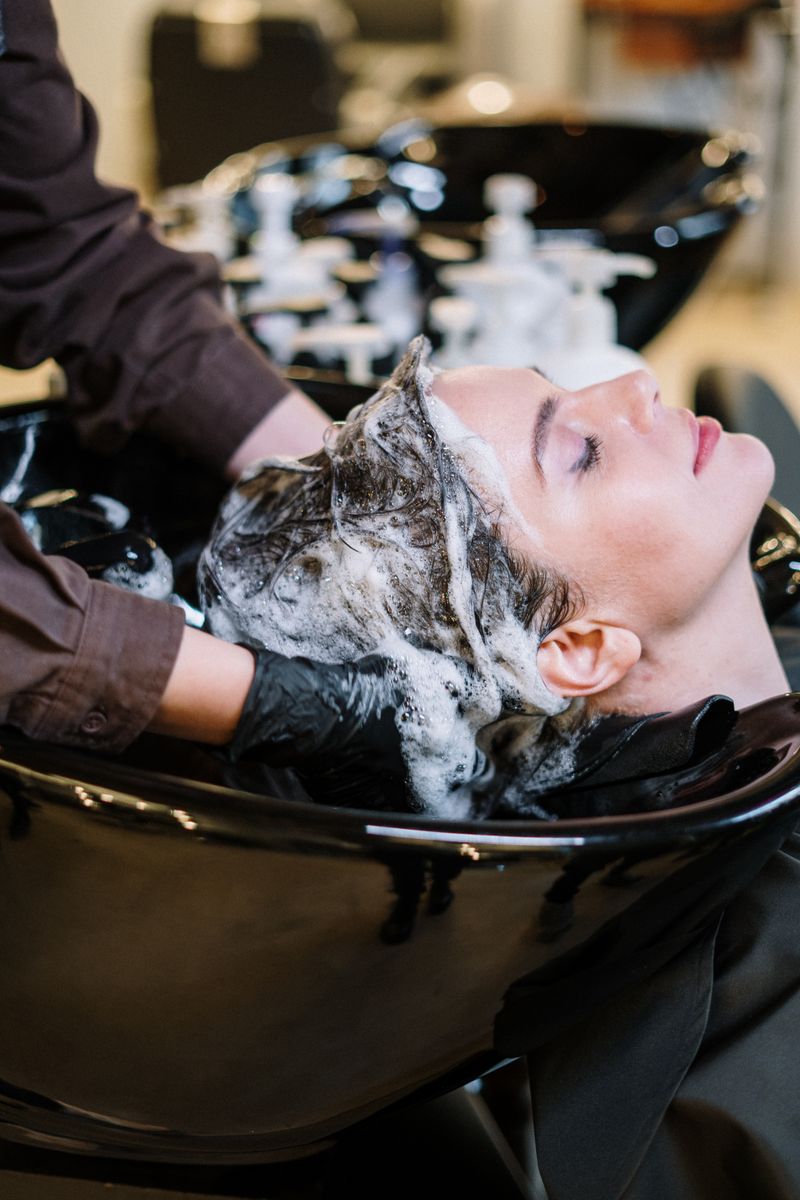
The truth is that most "white hair treatments" on the market address the cosmetic outcome, not the root biology. And most advice online doesn't account for what it means to maintain colour-treated white hair in a tropical climate like Singapore's, where UV exposure, humidity, and sweat conspire against your colour from the moment you step outside. Let's break this down properly.
What Actually Causes White Hair?
The Biology Behind Pigment Loss
Your hair gets its colour from melanin, a pigment produced by specialised cells called melanocytes that sit at the base of each hair follicle. As you age, these melanocytes gradually reduce their activity — and eventually stop producing melanin altogether. The result is hair that grows in white or grey rather than your original colour.
What's less commonly discussed is why this process accelerates in some people and not others. Research has identified a buildup of hydrogen peroxide in hair follicles as a key culprit. Normally, an enzyme called catalase breaks down hydrogen peroxide before it can bleach the hair from within. As we age, catalase production declines — and the peroxide builds up, bleaching the hair shaft from the inside out. It's essentially natural, internal bleaching.
Genetics: The Loudest Voice in the Room
If you want to know when your hair will turn white, look at your parents and grandparents. Genetic predisposition accounts for the majority of greying patterns. Ethnicity also plays a role — research consistently shows that East and Southeast Asian populations tend to grey later on average than Caucasian populations, typically beginning in the mid-to-late 30s rather than the 20s. That said, premature greying (before 25 for Asians) is increasingly common and is often multi-factorial.
Stress: Real, But Often Overstated
Yes, stress can accelerate greying — but not in the dramatic, overnight way popular culture depicts. Chronic stress triggers an inflammatory response and generates oxidative stress within the body, which can damage melanocytes over time. A 2020 study from Columbia University using hair strand analysis found correlations between periods of acute psychological stress and accelerated pigment loss in hair segments grown during those periods. The effect is real, but it's cumulative rather than instantaneous.
Nutritional Deficiencies Worth Investigating
Several nutritional deficiencies are directly linked to premature hair whitening:
Vitamin B12 is perhaps the most well-documented. B12 deficiency is more prevalent among vegetarians and vegans and is common in Southeast Asian populations with limited dairy or meat intake. It affects melanin synthesis directly.
Copper plays a role in tyrosinase, the enzyme involved in melanin production. Low copper intake — often seen in highly processed diets — can contribute to earlier greying.
Iron and ferritin deficiency affects hair health broadly, including the melanocyte cycle. In Singapore, iron deficiency anaemia is underdiagnosed in women, and low ferritin is frequently found in women experiencing both hair loss and premature greying.
If you're greying earlier than expected, a blood panel covering B12, copper, ferritin, and thyroid function is a sensible starting point before investing in any topical treatment.
Treatment Options: What Works, What Doesn't
Can You Reverse White Hair?
Let's be direct: for the vast majority of adults, once hair has turned white due to genetics, there is no proven topical or oral treatment that reliably reverses it. The melanocytes have stopped functioning, and no commercially available product restores them.
What can work in some cases of premature greying driven by nutritional deficiency is correcting the deficiency. There are documented cases of B12 replenishment leading to partial pigment recovery in younger individuals. This is the exception, not the rule — and it requires addressing the root cause, not layering on serums.
Salon Treatments for White Hair in Singapore
Salon treatments for white hair in Singapore fall into a few categories:
Permanent hair colour — the most straightforward approach. A good colourist matches or refreshes your natural tone, covering white strands entirely. This requires maintenance every 4–8 weeks as regrowth appears.
Toning and grey blending — rather than covering white hair, some colourists use toners to blend it with surrounding strands, creating a softer transition. This is particularly popular in Singapore right now as "salt and pepper" and silver looks have become fashionable among women in their 30s and 40s.
Bleaching and silver toning — for those embracing white or silver hair intentionally, the hair is lifted and then toned to achieve a clean, cool silver or white finish. This is aggressive on the hair structure and requires serious aftercare.
Keratin treatments and protein treatments — these don't address colour but improve the texture and manageability of white hair, which tends to be coarser and more resistant than pigmented strands.
Supplements: A Slow Game
Supplements marketed specifically for grey hair (often containing catalase, B vitamins, copper, and antioxidants) are widely sold online. The clinical evidence for catalase supplements reversing greying is limited — most research has been conducted in cell cultures, not on living hair. That said, a high-quality B-complex, iron (if deficient), and antioxidant support are genuinely good for overall hair health and may slow progression in those with underlying nutritional gaps.
Topical Treatments and Their Limitations
You'll find a number of topical serums and oils marketed as "white hair reversal" treatments in Singapore, particularly in smaller beauty shops and on Shopify-style platforms. The honest assessment: most of these are moisturising agents with marketing claims that outpace the science. Some contain catalase, biotin, or caffeine — ingredients with plausible mechanisms but limited evidence in topical form. They won't hurt, but expectations need to be calibrated.
Managing Colour-Treated White Hair in Singapore's Climate
Why Singapore Is Hard on Colour-Treated Hair
Singapore sits just above the equator. The combination of intense UV radiation, near-constant high humidity, and heat creates a uniquely challenging environment for colour-treated hair. UV rays oxidise hair pigment — both natural and deposited colour — accelerating fade significantly. Humidity swells the hair cuticle, making it porous and more likely to leach colour with every wash. The result: colour that looks fresh for a week and washed-out by the third wash.
White and grey hair that has been bleached or toned is particularly vulnerable. The hair is already structurally compromised by the lightening process, and in Singapore's climate, without the right care regimen, it will turn brassy, yellow, or dull within days.
The Role of Sulphate-Free Shampoo
This is not optional. Sulphates — the detergents found in most conventional shampoos — are effective cleansers but they strip colour from the hair shaft with every wash. On white or colour-treated grey hair, sulphate-based shampoos can visibly accelerate fade in as few as two to three washes. Switching to a sulphate-free formula is the single most impactful thing you can do between salon visits to preserve colour.
Bond Repair: Non-Negotiable After Chemical Services
Bleaching and lightening white or grey hair requires breaking down the hair's disulphide bonds to lift pigment. Without bond repair, the structural integrity of the hair is permanently compromised. Bond-repairing treatments work by reconnecting these broken bonds, restoring strength and elasticity to hair that would otherwise become brittle and prone to breakage.
Where Rehues Fits In
Rehues was built precisely for this scenario — colour-treated hair in a tropical climate that demands more than what generic salon shampoos offer. The Rehues 3-step Colour Lock™ Ritual is designed to address the three biggest threats to colour-treated hair in Singapore: colour fade, structural damage from chemical processing, and the moisture imbalance caused by humidity.
The Rehues Colour Lock™ Shampoo is sulphate-free and formulated to preserve deposited colour and tone, making it ideal for anyone maintaining toned white or silver hair. The accompanying conditioner provides moisture without weighing the hair down, which matters in Singapore where heavy conditioners can leave fine, colour-treated hair limp and greasy by noon. The treatment mask delivers bond-repairing actives that address the structural damage caused by bleaching and lifting — the kind of damage no amount of hydration alone can fix.
For anyone who has invested in a salon colour service to manage their white hair, using a colour-care system specifically designed for post-chemical, tropical conditions is not indulgence — it's maintenance.
How Rehues Compares to Other Options
Several well-known brands offer colour-care and bond-repair products that are popular in Singapore salons and online. Olaplex is widely regarded as a gold standard in bond repair, with its Bond Building Hair Treatment (No. 3) being a staple post-colour treatment globally. Schwarzkopf offers a range of colour-care lines including Gliss Colour Protect that are widely available at Guardian and Watsons. Wella produces colour-care products often recommended by local colourists, particularly for toned and highlighted hair.
Where Rehues differentiates is in its specific formulation for Asian hair types and Singapore's tropical conditions — sulphate-free across the full ritual, colour-depositing capability built into the system, and a product philosophy focused on the particular needs of chemically processed hair in a high-UV, high-humidity environment.
Disclaimer: Brand names mentioned are for comparison purposes only. Rehues is not affiliated with any third-party brands referenced.
For hair product safety guidance in Singapore, the Health Sciences Authority (HSA) maintains a list of regulated cosmetic ingredients and approved products.
Conclusion: Building a White Hair Care Routine That Lasts
White hair — whether premature or age-related — is manageable, styleable, and when treated well, genuinely beautiful. The key is to stop chasing myths about reversal and start building a care routine that works with your hair's actual condition.
If your white hair is premature, get a blood panel. Address any nutritional gaps. If you're colouring or toning your white hair, the salon service is only half the equation. What you do at home — every wash, every conditioning session — determines whether that colour lasts two weeks or six.
In Singapore's climate, that means sulphate-free, bond-aware, colour-protective care from a brand that understands the environment your hair lives in.
Explore the Rehues 3-step Colour Lock™ Ritual at rehues.com and give your colour-treated white hair the aftercare it actually deserves.
FAQ: White Hair Treatment in Singapore
1. Can white hair turn black again naturally in Singapore without any treatment?
In most adults, once hair has turned white due to age-related melanocyte decline, it will not reverse naturally. However, in cases where premature greying is caused by nutritional deficiencies — particularly B12, copper, or iron — correcting those deficiencies may lead to partial repigmentation in younger individuals. A blood test is the logical first step before investing in any topical remedy.
2. What is the best shampoo for white hair in Singapore that won't cause yellowing?
White and silver hair is prone to yellowing from UV exposure, hard water minerals, and product buildup. A colour-depositing or toning shampoo with violet pigments helps counteract brassiness. Equally important is sulphate-free formulation — sulphates strip toner and deposited colour rapidly, especially in Singapore's humid climate where hair is washed more frequently.
3. How often should I go to the salon in Singapore to maintain colour-treated white hair?
Most colourists recommend a refresh every 4–8 weeks for permanent colour or every 3–4 weeks for toning services. Singapore's UV intensity means colour fades faster here than in temperate climates. Using a colour-depositing care system at home extends the life of salon services significantly.
4. Is bleaching white hair in Singapore damaging, and how can I protect it afterwards?
Bleaching white hair (to achieve a clean silver or platinum tone) is among the most chemically intensive processes in haircare. It breaks down disulphide bonds in the hair's cortex, making strands brittle and prone to breakage. Post-bleach bond repair — through treatments containing bis-aminopropyl diglycol dimaleate or similar bond-rebuilding actives — is essential. In Singapore's climate, moisture management is equally critical.
5. What supplements actually help with premature white hair in Singapore?
The most evidence-supported supplements for premature greying are Vitamin B12, copper, iron (if ferritin is low), and Vitamin D3. Catalase supplements are widely marketed but have limited clinical evidence in topical or oral form. Before supplementing, a blood panel through a GP or dermatologist will confirm whether a deficiency is actually driving the premature greying.