

Hair loss in Singapore affects far more women than most people realise — and when you factor in the chemical processing, colouring, and bleaching that many Singapore women regularly undergo, the risk of excessive shedding and breakage increases significantly. This article breaks down the real causes of hair loss, what treatments are worth your money, and how to protect colour-treated hair from further damage.
Hair Loss Treatment Singapore: hair loss in Singapore is often triggered by stress, nutritional deficiencies, hormonal changes, or chemical hair treatments — most cases are temporary and respond to scalp care and lifestyle adjustments.
- This guide covers everything you need to know about hair loss treatment singapore in Singapore
- Singapore's climate makes this topic especially relevant for local hair and skin care
- Products like the Rehues Colour Lock Shampoo are formulated specifically for these conditions
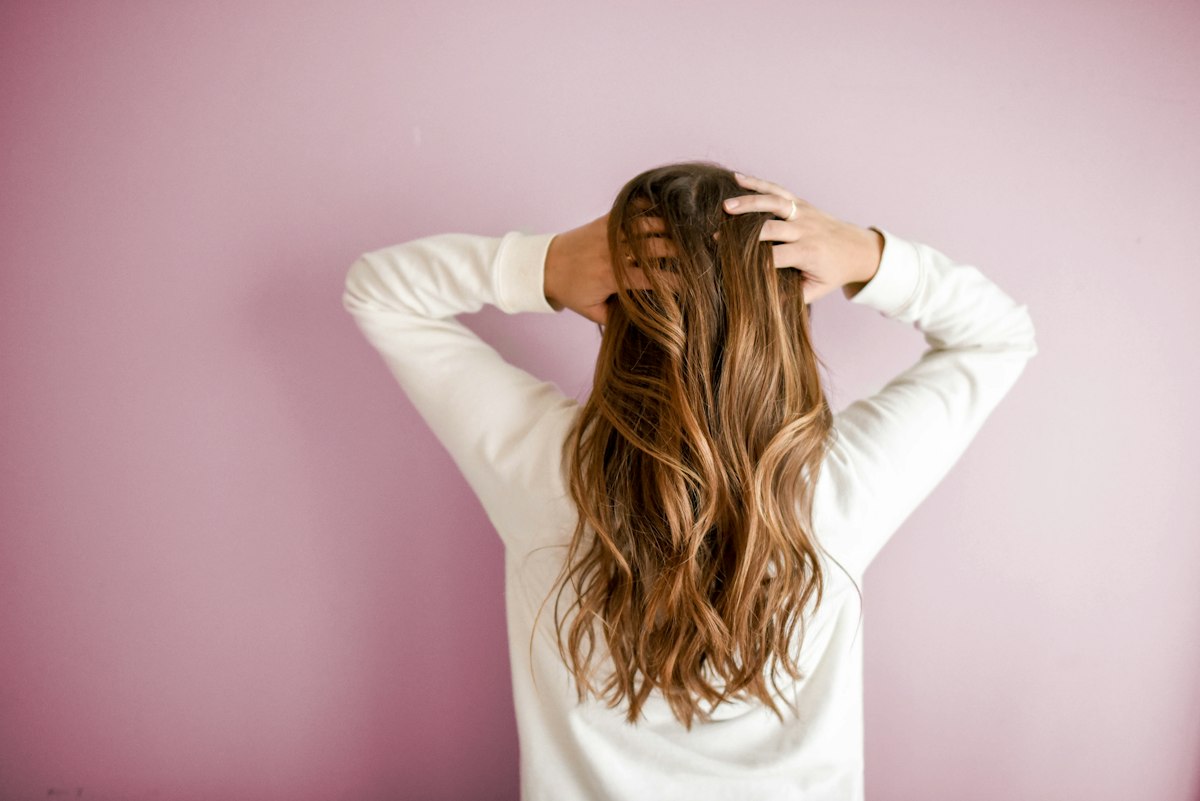
Quick Answer
- Most hair loss in Singapore is triggered by hormonal shifts, stress, nutritional deficiencies, or scalp damage from chemical treatments
- Colour-treated and bleached hair is structurally weaker, making it more prone to breakage that mimics hair loss
- Effective treatments range from scalp-targeted shampoos and serums to dietary changes and dermatologist-prescribed minoxidil
- The Hair & Scalp disorders page on the Singapore Health Sciences Authority (HSA) website lists approved topical treatments for androgenetic alopecia
- Addressing scalp health at the product level — switching to gentle, sulphate-free formulas — is often the most overlooked first step
Understanding why your hair is shedding changes everything about how you treat it. Most Singapore women reach for a thickening shampoo or a hair supplement and hope for the best — but if the root cause is chemical damage or a compromised scalp barrier, those solutions won't move the needle. Here's what's actually happening, and what to do about it.
Medical Disclaimer: This article is for informational purposes only and does not constitute medical advice. If you are experiencing significant hair loss, consult a licensed dermatologist or trichologist. Hair loss can be a symptom of underlying medical conditions that require professional diagnosis.
What Actually Causes Hair Loss in Singapore?
Hair loss in Singapore rarely has a single cause. In most cases, it's a combination of factors — some systemic, some environmental, and some directly related to how we treat our hair.
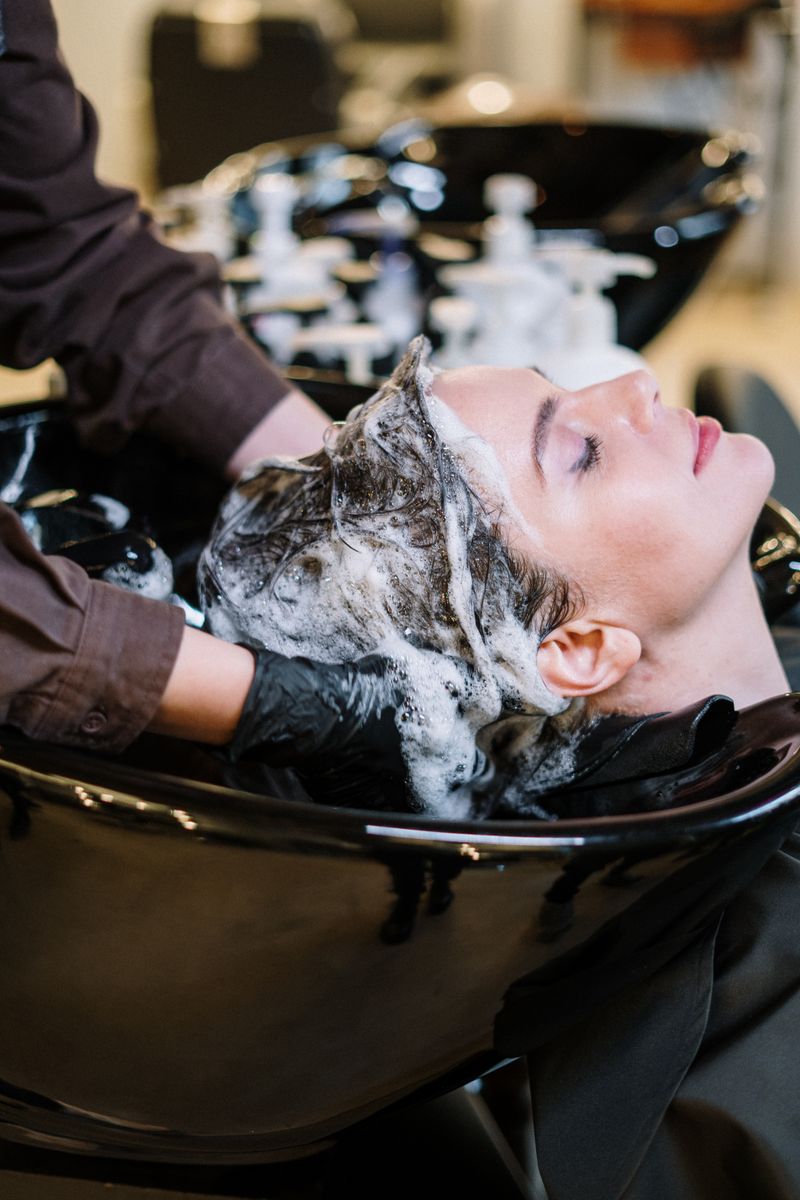
Is your hair loss hormonal, or is it damage from colouring?
This is the question most women don't think to ask. Hormonal hair loss — known clinically as androgenetic alopecia or female pattern hair loss — presents as gradual thinning across the crown and top of the scalp. It's hereditary, influenced by androgens, and worsens after childbirth (postpartum telogen effluvium) or during perimenopause. According to the National Skin Centre Singapore, female pattern hair loss is among the most common dermatological complaints they treat.
Damage-related breakage, on the other hand, happens along the hair shaft — not at the root. If you're finding short, broken strands rather than hairs with a white bulb at the end, your problem is structural damage rather than true follicle-level loss. For women who colour, bleach, or chemically straighten their hair, this distinction matters enormously.
How does Singapore's climate worsen hair loss?
Singapore's heat and humidity create a scalp environment that's prone to excess sebum production, fungal overgrowth, and inflammation — all of which can compromise follicle health. A congested scalp restricts the healthy cycling of hair follicles and accelerates shedding. Add daily air-conditioning exposure (which desiccates the hair shaft) and UV radiation, and you have a climate that stresses hair from root to tip.
Women who spend significant time outdoors or commute in Singapore's humidity and then enter heavily air-conditioned offices are subjecting their hair to extreme humidity swings multiple times a day. This repeated moisture-stress cycle weakens the cuticle layer and leads to frizz, porosity, and ultimately breakage.
The Role of Chemical Treatments in Hair Loss
If you colour, bleach, or chemically process your hair, you need to understand what those treatments are actually doing at a structural level. Hair colouring — particularly high-lift colour and bleaching — works by opening the hair cuticle and chemically altering the melanin inside the cortex. This process breaks disulphide bonds within the hair's protein structure. Repeated chemical processing without adequate bond repair and moisture replenishment leaves hair brittle, porous, and prone to snapping.
The result looks and feels like hair loss but is technically mechanical breakage. However, chronic tension from chemical processing — particularly relaxers and perms applied too close to the scalp — can cause traction alopecia, a real form of follicle-level damage that can become permanent if left unaddressed.
Switching to a gentle, sulphate-free routine is the first line of defence. Sulphates strip the scalp's protective lipid barrier and accelerate colour fade, but they also compromise the scalp's microbiome balance. Rehues' colour-lock shampoo is formulated without harsh sulphates, making it appropriate for regular use on chemically processed hair without further stripping the scalp. Explore the Rehues hair care range for sulphate-free options designed specifically for Singapore's hair challenges.
Evidence-Based Hair Loss Treatments That Actually Work
What topical treatments do Singapore dermatologists actually recommend?
Minoxidil remains the most clinically validated topical treatment for female pattern hair loss. Available in 2% and 5% concentrations, it's approved by the HSA and available without a prescription in Singapore pharmacies. It works by prolonging the anagen (growth) phase of the hair cycle and increasing follicle size. Results require consistent use for at least four to six months, and any improvement reverses if treatment is stopped.
For women with scalp inflammation driving their shedding, dermatologist-prescribed options may include topical corticosteroids, antifungal shampoos (for seborrhoeic dermatitis), or platelet-rich plasma (PRP) injections — available at specialist clinics across Singapore including the National Skin Centre.
Beyond prescription treatments, the evidence for supplements is more mixed. Biotin deficiency is genuinely rare in Singapore's food-abundant environment, making biotin supplementation unlikely to produce dramatic results unless you have a confirmed deficiency. Nutrafol and similar branded hair supplements contain a blend of adaptogens and micronutrients that show some promise in clinical studies, but they're expensive and the evidence base is still developing.
Scalp Health: The Foundation Most People Skip
You cannot grow healthy hair from an unhealthy scalp. This sounds obvious, but the vast majority of Singapore women focus exclusively on the hair shaft — investing in masks, serums, and treatments — while neglecting the scalp environment where growth actually originates.
A healthy scalp is slightly acidic (pH 4.5–5.5), well-moisturised, and free from excessive build-up. Scalp massages performed for four minutes daily have been shown in peer-reviewed research to increase hair thickness over 24 weeks by stretching the dermal papilla cells that stimulate follicle activity. This is one of the few zero-cost interventions with genuine evidence behind it.
Supplementing with a Rehues scalp-friendly shampoo — one that cleanses without stripping — preserves the scalp's acid mantle and reduces the chronic low-grade inflammation that can silently accelerate shedding. For women managing colour-treated hair in Singapore's humid climate, maintaining this barrier is especially important because repeated shampooing (necessary in humid weather) can compromise scalp health if the formula is too aggressive.
Rehues Singapore
Hair Care Made for Singapore
Formulated for colour-treated hair in Singapore's heat and humidity. Shop Rehues today.
Shop Rehues →Diet, Stress, and Other Systemic Factors
Telogen effluvium — sudden, diffuse shedding triggered by a physiological stress event — is extremely common in Singapore. It typically occurs two to four months after the triggering event, which can be illness, surgery, dramatic weight loss, nutritional deficiency, or severe psychological stress. The shedding usually resolves on its own within six to nine months once the trigger is removed, but it can be alarming while it's happening.
Iron deficiency is a particularly common driver of telogen effluvium among Singapore women, as dietary iron intake can be low in plant-heavy diets and losses through menstruation are significant. A ferritin blood test (ideally targeting levels above 70 µg/L for hair health, not merely the bottom of the normal range) is worth requesting from your GP if you're experiencing unexplained shedding. Similarly, thyroid dysfunction — both hypo and hyperthyroid — frequently presents with hair loss as a primary complaint.
Protein intake also matters more than most people realise. Hair is made almost entirely of keratin, a structural protein. Severe caloric restriction or low protein intake directly compromises the body's ability to sustain hair growth. In Singapore's context, women on restrictive diets for weight management may find hair shedding is one of the first visible signs of nutritional insufficiency.
Conclusion: A Layered Approach to Hair Loss Treatment in Singapore
Hair loss treatment in Singapore is most effective when approached on multiple levels simultaneously: identify the root cause (hormonal, structural, nutritional), address the scalp environment with appropriate gentle products, and where clinical intervention is warranted, work with a dermatologist who specialises in trichology. For women with colour-treated or chemically processed hair, the single most impactful immediate step is switching to a sulphate-free, scalp-protective shampoo like those in the Rehues range — reducing the daily chemical load that compounds every other contributing factor. Visit rehues.com to explore hair care formulated for Singapore's specific climate and hair challenges.
Frequently Asked Questions
What is the most effective hair loss treatment available without a prescription in Singapore?
Minoxidil 2% topical solution is the most clinically proven over-the-counter option available in Singapore pharmacies without a prescription. It should be applied consistently to the scalp twice daily. Results typically become visible after four to six months of continuous use.
Can colouring my hair cause permanent hair loss in Singapore?
Regular hair colouring causes structural breakage rather than true follicle-level loss in most cases. However, chemical relaxers or colours applied to the scalp repeatedly over time can cause traction alopecia or chemical burns that permanently damage follicles. Keeping chemicals away from the scalp and using bond-repair products significantly reduces this risk.
How much daily hair shedding is normal for Singapore women?
Shedding 50 to 100 hairs per day is considered within the normal range. Consistent shedding above this level — particularly if accompanied by visible thinning at the crown or temples — warrants a consultation with a dermatologist or trichologist.
Does Singapore's humidity make hair loss worse?
Humidity itself does not directly cause hair loss, but the scalp conditions it promotes — excess sebum, fungal overgrowth, and inflammation — can contribute to follicle disruption. Maintaining a clean, balanced scalp environment through regular but gentle cleansing is important in Singapore's climate.
What should Singapore women with colour-treated hair use to reduce shedding?
Switching to a sulphate-free shampoo, incorporating a weekly bond-repair treatment, and reducing heat styling frequency will significantly reduce breakage. Rehues offers a range of products formulated specifically for colour-treated hair in Singapore's conditions.
Is postpartum hair loss different from regular hair loss in Singapore?
Yes. Postpartum telogen effluvium is a temporary, hormonally triggered shedding that typically peaks two to four months after delivery. It resolves on its own by six to twelve months postpartum in most cases. Supporting the body with adequate protein and iron during this period helps the recovery process.
What Singapore clinics specialise in hair loss treatment?
The National Skin Centre (NSC) and private dermatology clinics across Singapore offer specialised trichology consultations. Treatments available include PRP injections, prescription minoxidil, and low-level laser therapy. A GP referral to NSC is available under Medisave-eligible schemes for eligible patients.
Can the right shampoo genuinely reduce hair loss in Singapore?
Shampoo alone will not reverse androgenetic alopecia or telogen effluvium, but switching from a harsh sulphate-based formula to a gentle, scalp-supportive option can meaningfully reduce breakage and scalp inflammation — both of which contribute to the appearance and experience of excessive hair loss.